5 Common Cross-Browser Compatibility Issues and How to Fix Them
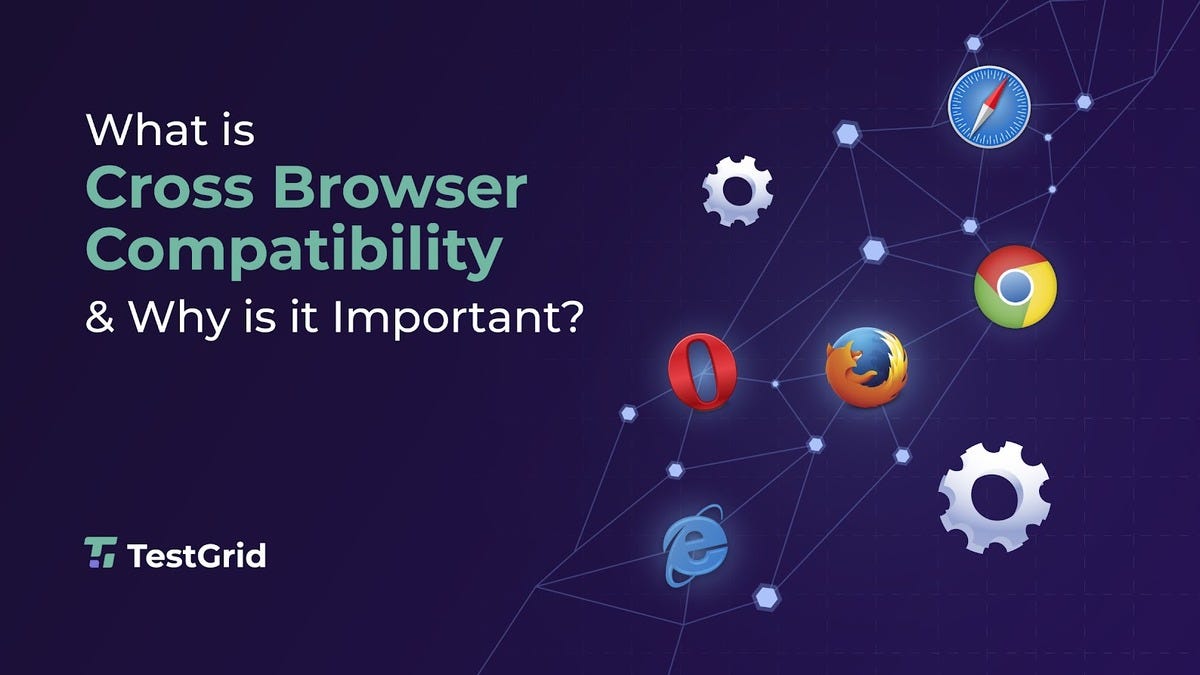
When developing websites, cross-browser compatibility is crucial to ensure that your site functions well across various browsers such as Chrome, Firefox, Edge, and Safari. Here are five common cross-browser compatibility issues that developers often face:
- Inconsistent Rendering of CSS: Different browsers may interpret CSS rules inconsistently, leading to variations in layout and styling.
- HTML5 and CSS3 Feature Support: Not all browsers fully support the latest HTML5 and CSS3 features, which can lead to functionality issues.
- JavaScript Compatibility: Some JavaScript functions may work in one browser but not in others, causing scripts to fail.
- Font Rendering: Typography can display differently across browsers, resulting in inconsistent user experiences.
- Responsive Design Issues: Media queries may not function uniformly, especially on mobile browsers.
Addressing these issues requires a systematic approach. First, use feature detection tools like Can I use to check the compatibility of various HTML and CSS features across different browsers. Additionally, employing a CSS reset can help standardize styles across browsers, minimizing rendering discrepancies. For JavaScript, consider using Polyfills to ensure that your code works in older browser versions. Finally, test your website using tools like BrowserStack to simulate different environments and ensure a consistent experience for all users.
The Importance of Cross-Browser Testing: Ensuring a Seamless User Experience
In today's digital landscape, cross-browser testing is crucial for delivering a seamless user experience across various devices and platforms. As users transition between different browsers like Chrome, Firefox, and Safari, inconsistencies in web applications can lead to a frustrating experience. By conducting thorough cross-browser testing, developers can identify and resolve these discrepancies, ensuring that functional elements like navigation menus and form fields behave consistently, regardless of the user's preferred browser.
Additionally, the importance of cross-browser testing extends beyond functionality; it also encompasses visual fidelity. A site that looks impeccable in one browser might appear distorted or misaligned in another. Tools like BrowserStack and LambdaTest assist developers in testing their sites across various browsers and operating systems, thereby enhancing user satisfaction. By prioritizing cross-browser compatibility, businesses can not only boost user engagement but also improve their SEO performance, ultimately driving more traffic to their sites.
Is Your Website Ready for All Browsers? Key Factors for Comprehensive Compatibility
In today's digital landscape, ensuring that your website is ready for all browsers is more critical than ever. With various browsers like Chrome, Firefox, Safari, and Edge each rendering web pages slightly differently, it’s essential to prioritize comprehensive compatibility. Failing to accommodate all users can result in lost traffic and diminished user experience. Consider implementing the following key strategies to ensure your site meets these compatibility challenges:
- Regularly test your website across multiple browsers and devices.
- Utilize CSS resets to minimize styling discrepancies.
- Leverage responsive design to optimize user experience on different screen sizes.
When evaluating your site's readiness for all browsers, pay close attention to JavaScript and HTML5 compatibility. Some older browsers may not support the latest features, which could lead to functionality issues. Consider using Can I Use to check the compatibility of various web technologies across different browsers. Additionally, implementing polyfills can bridge the gap for older browsers, ensuring a smoother experience for every user. Ultimately, conducting thorough testing and using the right tools will help you create a more inclusive and accessible web.