5 Tips for Reducing Screen Glare and Enhancing Comfort
Screen glare can significantly impact your viewing experience, leading to discomfort and eye strain. Here are 5 tips for reducing screen glare that can help enhance your comfort:
- Adjust Your Screen Position: Position your monitor or device at a 90-degree angle to windows or light sources. This simple adjustment can dramatically reduce the amount of glare you experience while working or browsing.
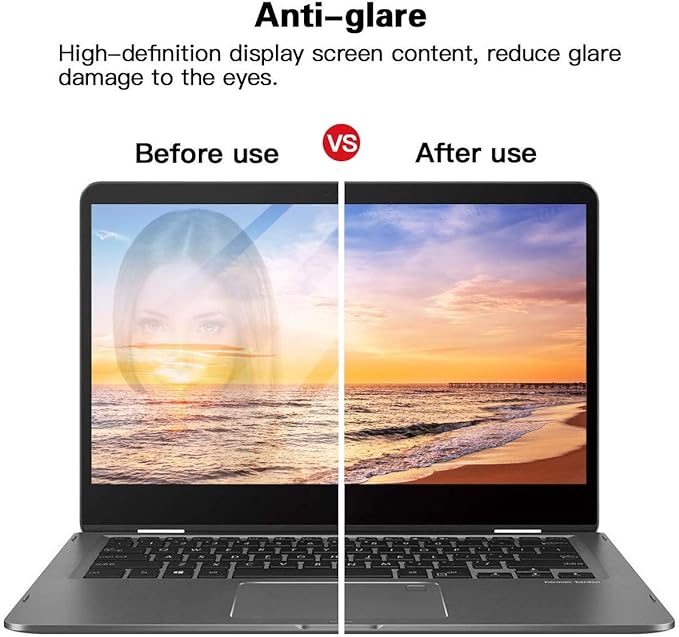
- Use Anti-Glare Screen Protectors: Consider investing in an anti-glare screen filter. These products can help diffuse reflective light, making it easier to see your screen without squinting.
Additionally, reducing glare is not just about physical adjustments; it's also about optimizing your environment. Here are three more tips:
- Control Ambient Lighting: Use curtains or blinds to manage natural light in your workspace. Utilizing soft, diffused lighting rather than direct bulbs can also help minimize glare.
- Adjust Display Settings: Increase the contrast and brightness settings on your device to make the screen more readable, even in high-glare conditions.
- Wear Anti-Reflective Glasses: If you wear glasses, consider lenses with an anti-reflective coating. This can further reduce glare and enhance your viewing experience.
When working in public spaces, maintaining your privacy is essential. One effective solution is to use a privacy screen for your monitor. These screens help prevent shoulder surfing and unauthorized viewing of sensitive information. Check out our guide on the Top 10 Privacy Screens for Monitors to find the best options that suit your needs.
The Science Behind Anti-Glare Screens: Do They Really Work?
The effectiveness of anti-glare screens has been a topic of discussion among tech enthusiasts and everyday users alike. These screens are designed to reduce reflections and glare from ambient light, making it easier to view content on devices in various lighting conditions. The science behind their functionality primarily involves the use of matte finishes and anti-reflective coatings. By diffusing incoming light, these screens help to minimize distractions from reflections, allowing for a clearer and more comfortable viewing experience. Users often report a significant improvement in visibility, particularly in well-lit environments, where standard glossy screens can be quite bothersome.
However, the question remains: do anti-glare screens really work as well as advertised? While they do effectively reduce glare, their performance can vary based on the quality of the material used and the angle of the light source. Some users may find that their screens still exhibit some level of reflection or that color contrast is slightly diminished compared to glossy displays. Ultimately, the choice between anti-glare and glossy screens depends on personal preference and specific use cases. For those who frequently work outdoors or in bright environments, investing in a high-quality anti-glare screen may be beneficial for enhancing their overall viewing experience.
Is Blue Light Blocking Right for You? Exploring the Benefits and Myths
As our daily lives increasingly revolve around screens, the question of whether blue light blocking glasses are right for you becomes ever more relevant. Proponents argue that these glasses can help reduce eye strain, improve sleep quality, and potentially mitigate the long-term effects of exposure to blue light emitted by devices. Research suggests that prolonged screen time can lead to discomfort and fatigue, commonly referred to as digital eye strain, which may present symptoms like blurred vision, dry eyes, and headaches. By filtering out blue light, these glasses can offer a sense of relief, making them an appealing option for those who spend hours in front of computers, tablets, or smartphones.
However, there are also myths surrounding the effectiveness of blue light blocking glasses that merit examination. Some claim that they can prevent permanent eye damage or improve vision, but current research does not fully support these assertions. While they can aid in reducing discomfort and improving sleep, the actual long-term effects of blue light on eye health remain a topic of ongoing study. It's essential to recognize that factors like screen breaks, proper lighting, and maintaining an appropriate distance from your device also play crucial roles in eye comfort and health. Before investing in a pair, consider these factors and consult with an eye care professional to determine the best course for your individual needs.